
The “kakanin” — in all its mouth-watering forms—is not just a local delicacy meant to boast the versatility of the Filipinos’ staple food, rice or “kanin” (from which the term itself is derived). It is an essential slice of the Philippines’ rich food culture; a piece of the country’s history and the Pinoy palate’s identity.
Hit the books and they will tell you thatkakanin used to be made by Filipinos as a special offering to gods back in the day. It has also been a lingering belief thatkakanin – sticky and sweet as it is—symbolizes the close relationship of Filipino families and friends.
These days, the term “kakanin” doesn’t necessarily refer to something made only withmalagkit (sticky rice). Treats made withgata (coconut milk) or locally-grown root crops are now consideredkakanin, too. Various methods of preparing it have also been discovered and introduced. Chefs love playing with the whole idea of thekakanin, using the concept and basic recipes for their next signature dish.
Know your kakanin with this handy guide to the country’s native delicacies:
Sapin-sapin Sapin-sapin stands out as a vibrant and colorful kakanin. Coined from a Tagalog word that could mean “sheet” or “blanket”, it often has a layered appearance, with a distinct flavor for each “sapin”, like violet for ube (purple yam) or yellow for langka (jackfruit) and, sometimes, cheese.Galapong (ground glutinous rice), coconut milk, and sugar are the three main ingredients of sapin-sapin.
To achieve a clean look for this dish, see to it that the batter for each layer has been steamed and set before the next colored layer is poured into the mold. This sticky treat has a silky and sticky mouthfeel is best enjoyed withlatik (coconut curds) or grated coconut sprinkled on top.

Pichi-pichi Another gelatinous local treat,pichi-pichi is one of the kinds of kakanin that’s not actually made with rice. It is a translucent light yellow treat made with grated cassava, pandan water, and sugar. To make this dish, simply combine all the ingredients in a bowl, pour the mixture into a round pan, and steam for about 45 minutes until set. Once cool, scoop out portions from the pan and roll in grated coconut, although some others would prefer it coated with grated cheese.

Maja Blanca Maja Blanca is a lot like what its name suggests – unassuming and delicate. Just the same as pichi-pichi, it doesn’t contain rice, but amagkakanin (kakanin vendor) always includes dainty slices of maja blanca in herbilao ofkakanin. This coconut pudding is often sold containing sweet corn kernels, but it is originally made with just coconut milk, corn starch, and sugar.Maja blanca is luscious enough to be eaten alone, though you can also sprinkle it with latik or grated cheese.

Palitaw “Litaw”, the root word ofpalitaw, is a Filipino term for “emerge” or “to surface” – a pretty strange word to associate with food, but not with thiskakanin.Palitaw is a flat white oval rice cake and is pretty easy to make: Simply make a dough with rice flour and water, then divide it into small portions. Take a piece in your hands and form a tiny ball before pressing your palms together with the dough in between. The flattened dough is then placed in boiling water, and will emerge on the surface once cooked, hence its name.Palitaw is rolled in grated coconut, sugar, and toasted sesame seeds before it is served. ADVERTISEMENT – CONTINUE READING BELOW

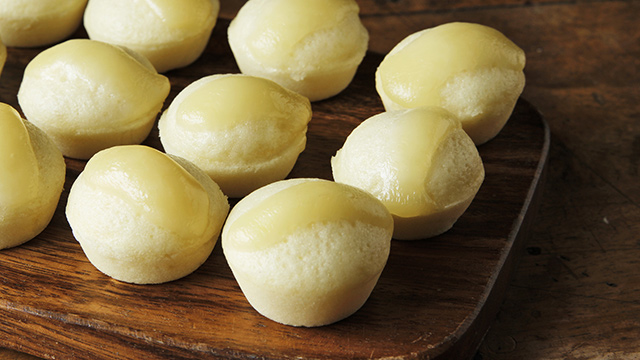
Puto is probably the most common kakanin, since you can find it pretty much everywhere. It comes in various types, depending on the region from which it originated from and the way it is prepared, but the most common type ofputo is reminiscent of a plain and mildly-sweet dense cupcake topped with a slice of cheese. It is believed that the roots of the Pinoyputo can be found in the Indian State of Tamil Nadu, where steamed rice cakes called“puttu” are made. Although it is widely enjoyed as a snack,puto is also usually paired with savory dishes such as pancit and is also paired with dinuguan.
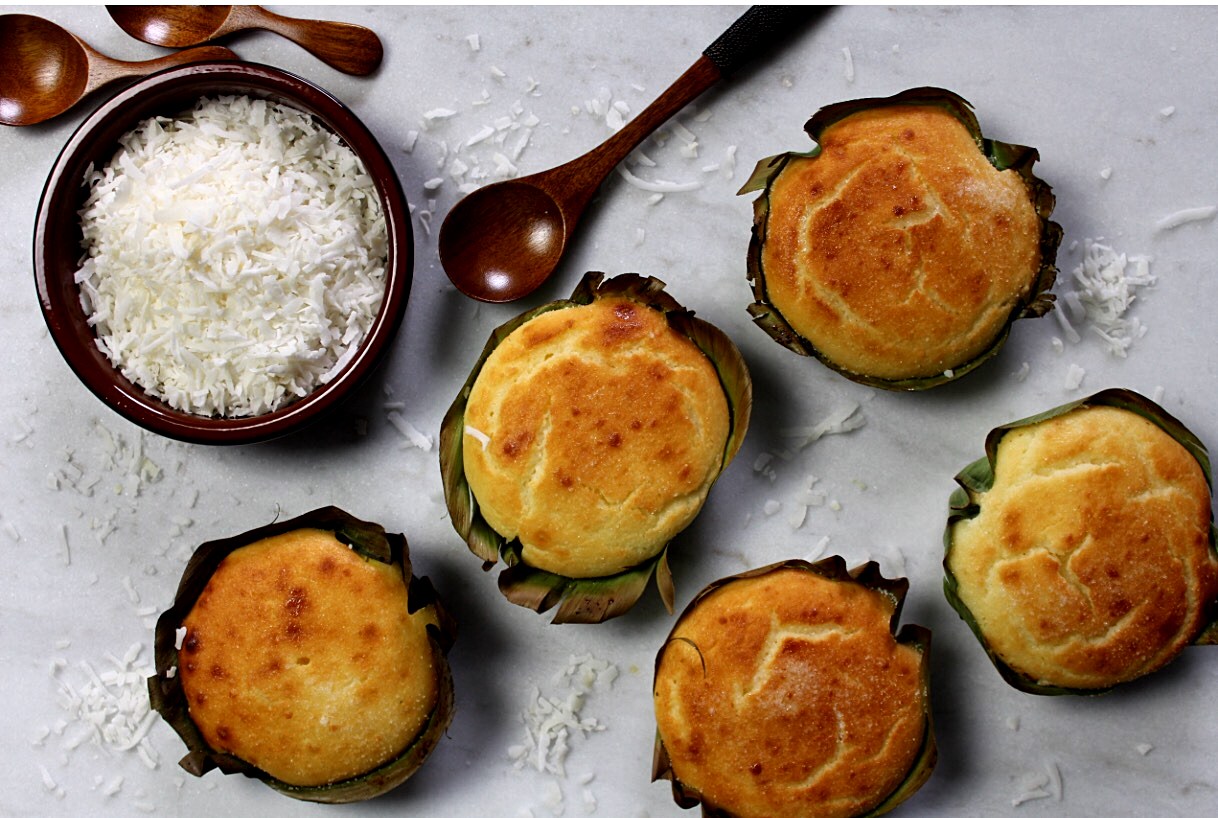
Bibingka The quintessential rice cake,bibingka is cooked in clay pots lined with banana leaves. It is available in some Filipino restaurants and food shacks all year round but is most popular during Christmas time, whenbibingka stalls would pop up near churches and is sold to churchgoers who have just attendedsimbang gabi (midnight mass). Traditionally made withgalapong, coconut milk, margarine, and sugar,bibingka is soft and spongy. It is usually topped with salted egg, cheese, and butter.
There are lots of delicious kakanin here in the Philippines but this are the most delicious and MY FAVORITE !
HOPE YOU LIKE IT! Guys! Thanks!



 janine's blog